

How Buyers Compare Homes Online in Redmond, Oregon — And Why It Affects Your Pricing More Than You Think
Before a buyer ever steps inside your home, they have already compared it to five others.
Sometimes more.
In today's Redmond, Oregon market, most comparison happens online first. That early filtering process quietly determines which homes get showings, which get drive-bys, and which get eliminated before they ever have a chance.
For sellers, understanding that behavior is critical. It influences pricing more than many realize.
Buyers Filter by Price First

The first filter buyers use is price.
Not square footage.
Not lot size.
Not upgrades.
Price.
Buyers are staying inside their financial comfort zone. Especially now.
During 2021-2022, the median sold home price in Redmond was around $494,000 with historically low interest rates. Today, the median sold price is closer to $545,000, and interest rates are two to three times higher than pandemic levels.
That changes affordability significantly.
Buyers are not casually stretching. They are calculating.
They typically watch three to five homes at a time in the same price bracket. They compare photos. They monitor days on market. They notice price reductions.
If your home sits longer than others or drops repeatedly, buyers see that before they ever see your front door.
Photos Are the First Showing
The first showing is not the in-person tour.
It is the online photo gallery.
Bad photography is hard for buyers to see past. Dim lighting, poor angles, cluttered spaces, or phone photos immediately narrow the audience. Buyers scroll quickly. If the home feels confusing or poorly presented, it is crossed off.
Professional photography is not optional in this market. It is foundational.
Buyers also evaluate layout flow from photos. If rooms feel cramped, overly personalized, or visually chaotic, they assume the home will feel that way in person.
And once they eliminate it online, there is no opportunity to recover.
The Drive-By Is the Second Filter
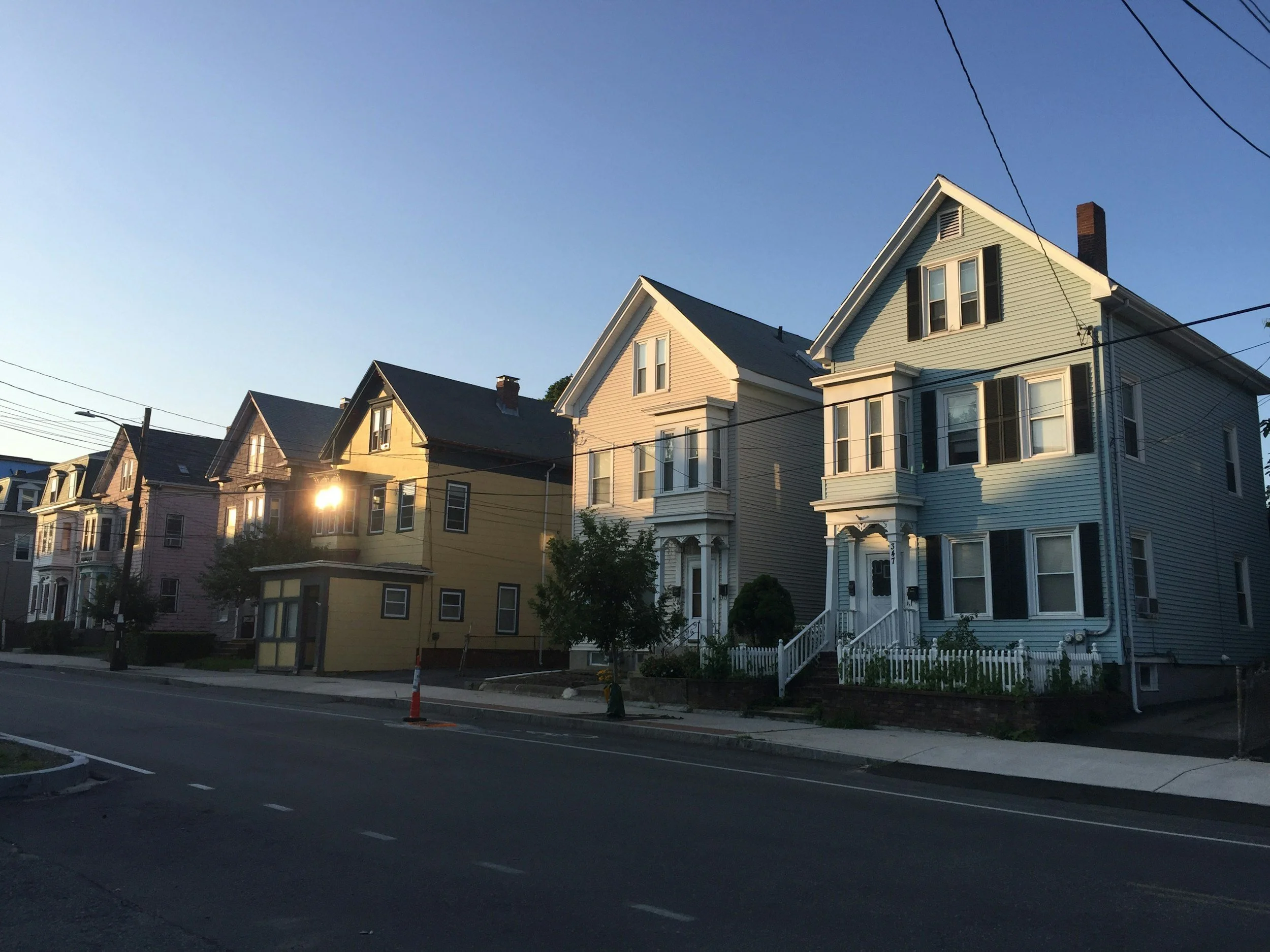
After narrowing down to a few contenders, many buyers will drive by before scheduling a tour.
This is where curb appeal and deferred maintenance matter.
They look at:
Landscaping
Exterior paint condition
Roofline
Neighborhood upkeep
Overall presentation
If something feels neglected or mismatched with the price, hesitation increases.
If it feels aligned, they book the showing.
The comparison continues long before anyone opens the lockbox.
Buyers Are More Price Sensitive Than in 2021-2022
In 2021-2022, urgency was high. Inventory was tight. Buyers competed aggressively.
Today's buyers are different.
Higher interest rates mean larger monthly payments. Many buyers recognize that rent may be cheaper in some cases. That makes them deliberate.
They are not offering over asking simply to secure a home. They are comparing carefully and often waiting for price corrections.
When sellers price above the established comparison window, buyers do not rush in to negotiate. They wait.
Momentum slows quietly.
Where Sellers Miscalculate
One of the most common misconceptions is that buyers will "fall in love in person."
That assumes the home makes it to the in-person stage.
If photos are weak, if the decor feels overwhelming, or if odor issues exist, the home is eliminated before emotion enters the equation.
Another miscalculation is pricing high to "leave room for negotiation."
That strategy assumes you know where the true value sits. Many sellers do not. They start high without fully understanding how their home compares to others buyers are actively evaluating.
Overpricing creates:
Longer days on market
Carrying costs
Stigma
Delayed life plans
I have seen what happens when a home sits too long. It is stressful for everyone involved.
The goal is not to test the market. It is to position within it.
Staging and Presentation Are Part of Pricing Strategy
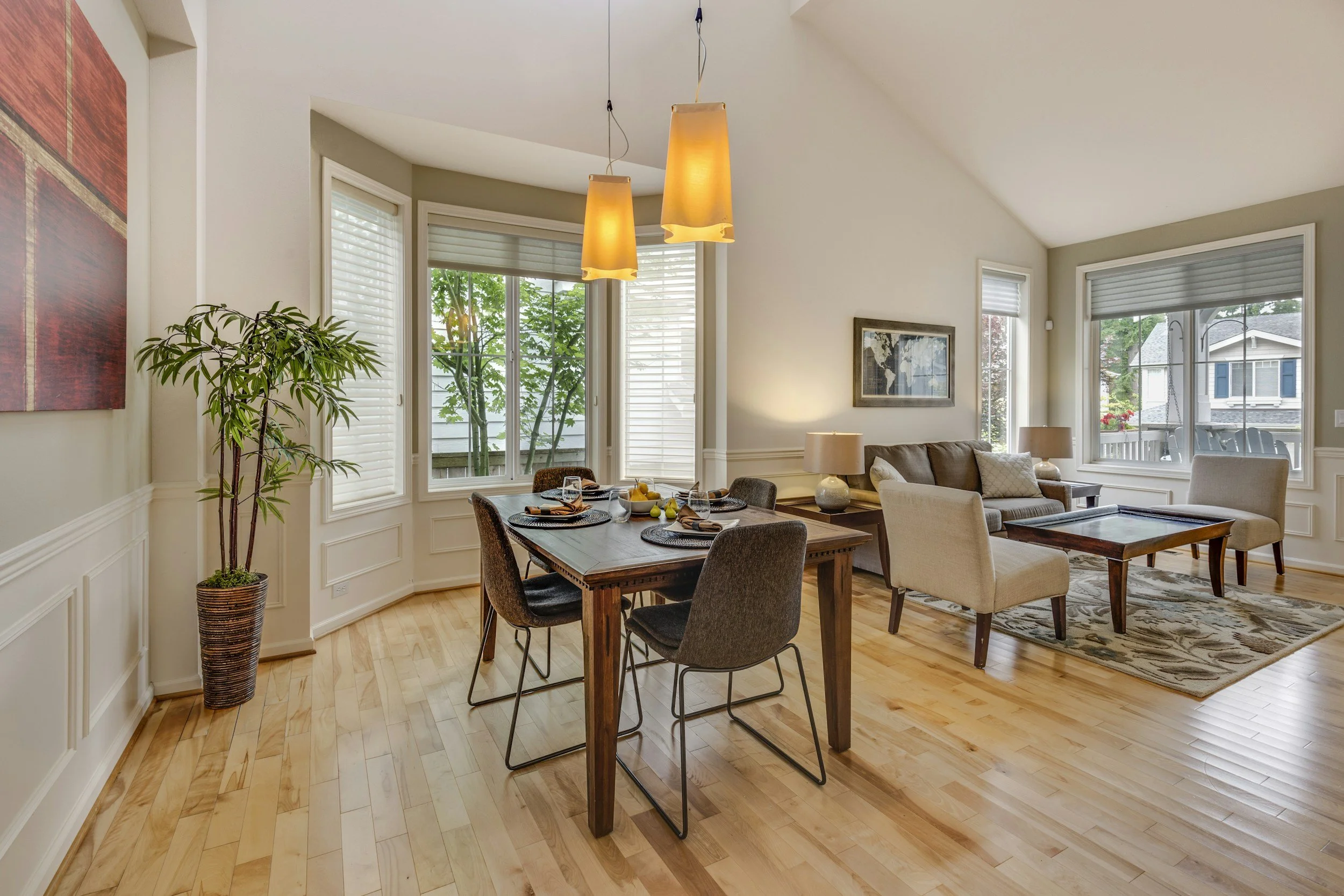
Decluttering, depersonalizing, neutralizing bold decor choices, and addressing odor concerns are not cosmetic details.
They directly affect where buyers mentally place your home inside their comparison set.
If a green bathroom or strong pet odor exists, buyers do not discount gently. They discount aggressively in their minds.
Sellers deserve honest conversations about how their home will be perceived. It is not criticism. It is preparation.
When buyers feel confident and comfortable, they move faster. When they sense work ahead, they hesitate.
Micro-Competition Is What Matters
Your home is not competing with the entire Redmond market.
It is competing with a small group of homes in your exact price range.
Buyers compare within that bracket.
If your home is priced at $585,000 and stronger homes are at $565,000, buyers notice.
If your home is average condition and others feel turnkey, buyers notice.
The online comparison stage is where pricing alignment either builds momentum or erodes it.
The Practical Takeaway
In today's Redmond market, buyers are careful and comparison-driven.
They evaluate price first.
They analyze photos carefully.
They notice days on market.
They drive by before touring.
They compare within a narrow price band.
Sellers who understand this behavior position more effectively.
Accurate pricing, strong presentation, and honest preparation create early traction. Early traction protects value.
If you are considering selling and want to understand how buyers would compare your home to others currently on the market in Redmond, a detailed review of your competition is the logical first step.
I also share weekly seller-focused market breakdowns on YouTube where I walk through how pricing and positioning decisions play out in real time. New videos are released Mondays at 11:11 for those who prefer to see the data visually.
Preparation is not dramatic. It is deliberate.
And in this market, deliberate wins.
